



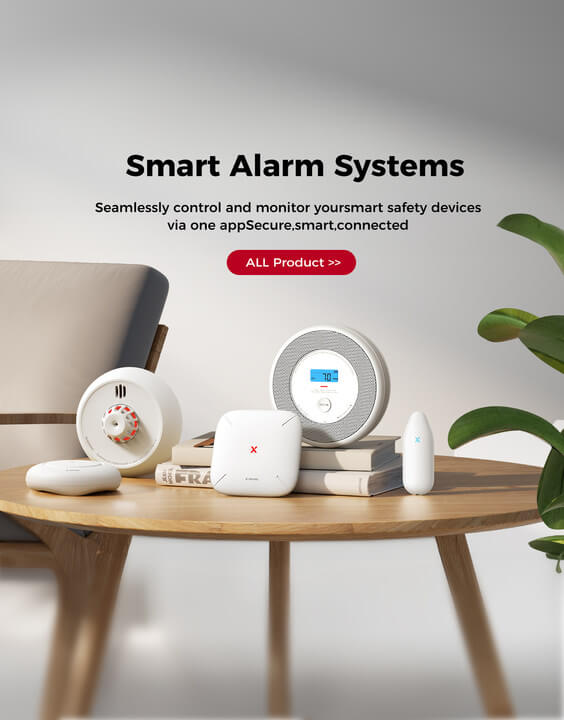
Most households have a smoke detector or two, often installed years ago and rarely thought about again. But fire safety technology has moved on considerably since the basic battery-powered alarms that many of us grew up with. Modern smoke and carbon monoxide (CO) alarms now offer app alerts, interconnected networks that sound every alarm in the house at once, voice location announcements, and sealed batteries that last a decade without changing. Given that working smoke alarms cut the risk of dying in a home fire roughly in half, it’s worth understanding what’s actually available today, and where your current setup might be falling short.
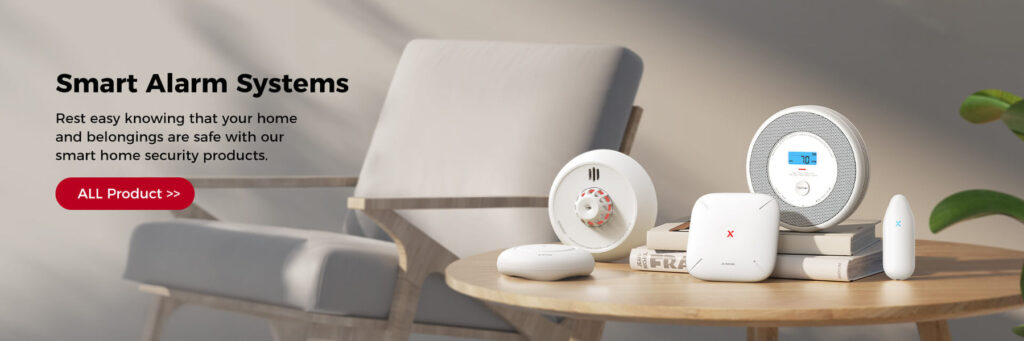
The Two Threats Every Home Should Guard Against
Fire isn’t the only silent risk. Carbon monoxide, produced by furnaces, water heaters, fireplaces, and idling cars, is odorless and colorless, which is exactly what makes it so dangerous. A home safety strategy really needs to cover both bases: smoke detection to catch a fire in its earliest, most survivable minutes, and CO detection to catch a leak long before symptoms like headaches or drowsiness set in.
This is why combination smoke-and-CO alarms have become increasingly popular. Rather than mounting two separate devices, a single combo unit monitors for both hazards, simplifying installation and reducing the number of gadgets on your ceiling.
What’s Changed: From Standalone Beepers to Connected Networks
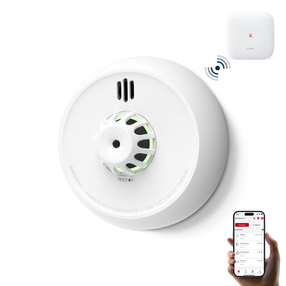
The biggest shift in home safety hardware has been connectivity. A standalone alarm only helps if someone is home and within earshot when it goes off. Interconnected and Wi-Fi-enabled systems solve that problem in a few ways:
- Interconnected alarms communicate with each other (often via a base station), so if one unit detects smoke in the basement, alarms upstairs sound too.
- App-connected alarms push real-time alerts to your phone, useful for checking on a pet-sitter’s house, a rental property, or an elderly relative’s home while you’re away.
- Voice-location alerts announce which room triggered the alarm, cutting down on confusion during an actual emergency.
- Long-life sealed batteries (commonly rated for 10 years) remove the recurring chore — and common failure point — of forgetting to swap batteries.
A Closer Look at X-Sense’s Approach
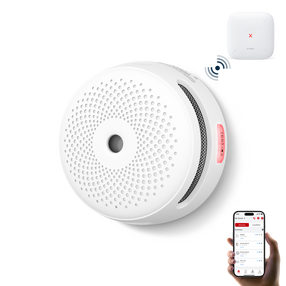
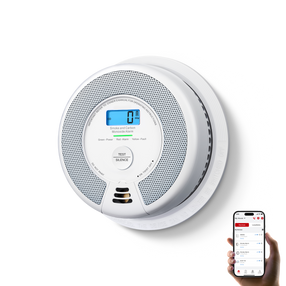
One brand that’s built its catalog specifically around these upgrades is X-Sense, a home safety manufacturer founded by MIT graduates and focused on smoke, carbon monoxide, and combination alarms. The company has picked up design recognition (including a Red Dot Design Award) for making safety hardware that doesn’t look like an afterthought on your ceiling, and it backs its products with multi-year warranties and after-sales support.
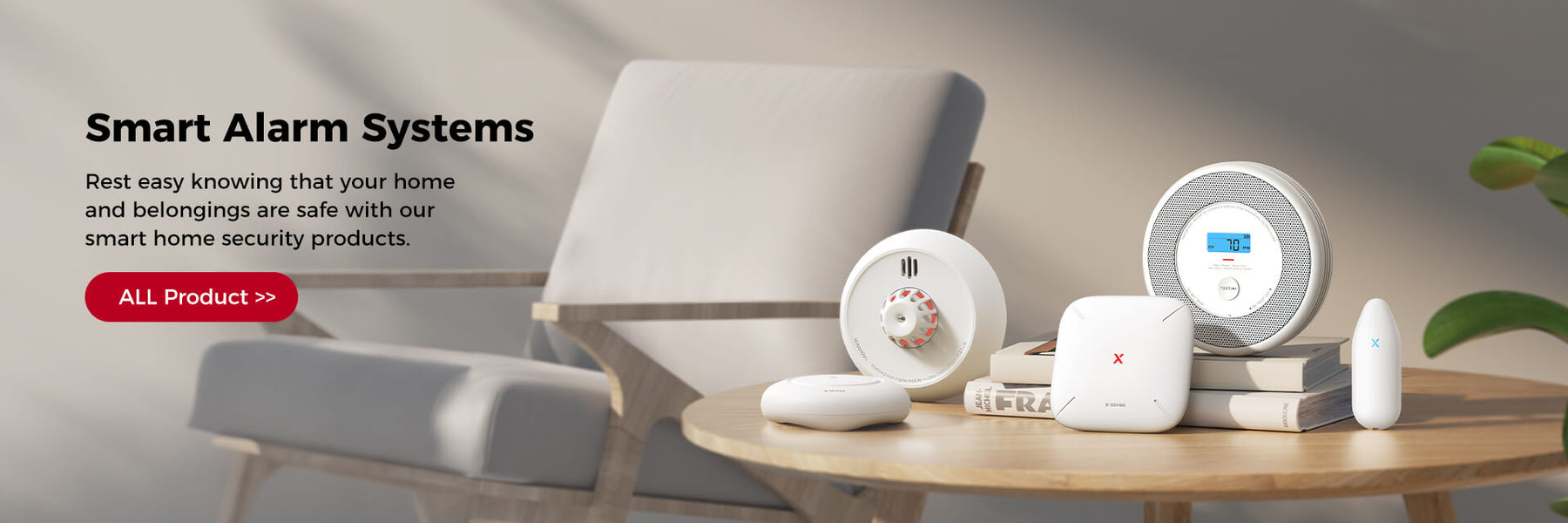
X-Sense’s current lineup spans a range of connectivity levels, which is useful because not every room — or every household — needs the same setup:
- Standalone alarms for a simple, no-subscription, no-app option in a single room.
- RF-interconnected alarms that link multiple units wirelessly without needing Wi-Fi or an app.
- Wi-Fi and app-controlled alarms, including models with voice location and real-time push notifications.
- Combination smoke-and-CO alarms that handle both hazards in one device, some with LCD displays showing live CO readings.
- Radon detectors and water leak sensors, reflecting a broader move toward whole-home environmental monitoring, not just fire and CO.
What to Consider Before You Buy
A few practical questions can help narrow down the right setup:
- Do you want app alerts? If so, confirm whether the model connects directly to Wi-Fi or requires a separate base station.
- How many rooms need coverage? Interconnected systems make the most sense in larger homes with multiple floors.
- Hardwired or battery? Hardwired alarms suit new construction or renovation projects with existing wiring; sealed-battery units are far easier to retrofit into existing homes.
- Combo or separate units? Combination alarms save space and installation effort, but check sensor quality for both smoke and CO detection rather than assuming a “2-in-1” label means equal performance on both fronts.
The Bottom Line
Fire and CO alarms are one of the few pieces of home safety equipment where “set it and forget it” genuinely applies once installed correctly — but only if the equipment itself is up to date. If your detectors are more than a decade old, don’t cover carbon monoxide, or can’t alert you when you’re away from home, it may be time for an upgrade.
You can browse the current range of smoke alarms, CO detectors, and combination units in X-Sense’s full collection here.